Not All Galvanized Steel Products Use the Same Process
When sourcing timber connectors and pergola brackets, buyers may encounter products described as hot-dip galvanized, pre-galvanized or electro-galvanized.
These terms refer to different coating processes. Understanding the differences helps buyers specify the right product for their application
1. Hot-Dip Galvanizing After Fabrication
In this process, the steel component is fabricated first and then immersed in molten zinc.
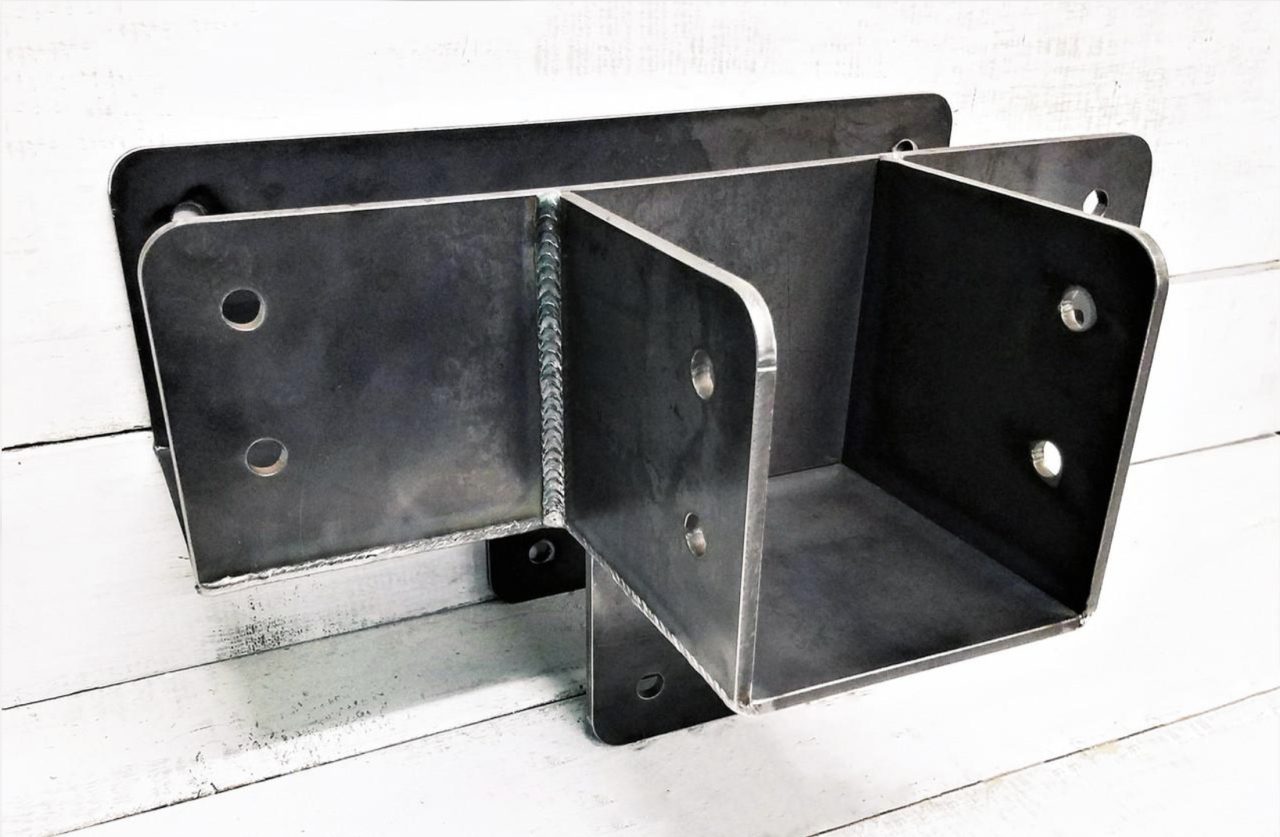
For example, a custom steel bracket may be laser-cut, bent and welded before galvanizing.
Potential advantages include:
- Zinc coating on accessible exterior surfaces of the fabricated part
- Coverage of properly prepared weld areas
- Suitability for many fabricated steel components used outdoors
The final result depends on the product design, steel material, preparation and applicable galvanizing specification.
2. Pre-Galvanized Steel
Pre-galvanized steel is coated before subsequent fabrication, commonly as galvanized sheet or coil.
The material is then cut, punched, bent or otherwise processed into a finished component.
This can be a practical option for many sheet-metal products. However, cutting and welding may affect the zinc coating at edges or joining areas.
Buyers should therefore confirm how exposed areas are treated and whether additional corrosion protection is required.
At Borhaf Metal Fabricator, we manufacture a wide range of timber connectors, including joist hangers, tri-grips, multi-grips, brace straps, Speedbrace and tensioners.
These products are commonly manufactured from pre-galvanized steel with a Z275 zinc coating, providing corrosion resistance for timber construction applications.
3. Electro-Galvanizing
Electro-galvanizing applies zinc using an electrochemical process.
It is different from batch hot-dip galvanizing, and the coating characteristics and requirements are not interchangeable. Suitability depends on the product specification and the intended environment.
For enhanced corrosion resistance, some of our customers choose duplex coating for their pergola brackets, combining electro-galvanizing or e-coating with powder coating. This dual-layer finish provides additional protection against corrosion, making it suitable for outdoor applications and long-term use.
How Should Buyers Compare These Processes?
| Consideration | What to check |
|---|---|
| Product design | Sheet-metal part, welded bracket or assembled structure |
| Fabrication | Whether cutting and welding take place before or after coating |
| Corrosion protection | Required coating specification and exposed areas |
| Environment | Indoor, outdoor or more demanding service conditions |
| Verification | Inspection criteria and supporting documentation |
For fabricated steel articles, ISO 1461:2022 covers hot-dip galvanized coatings applied after fabrication; it does not cover continuously galvanized sheet or every category of galvanized product.
Choose the Process Around the Product
There is no single coating process that is automatically the best choice for every timber connector.
The right solution depends on the design, manufacturing sequence, corrosion requirements and project specification.
At Borhaf Metal Fabricator, we manufacture custom metal parts according to customer drawings and can discuss suitable surface treatment options based on the product requirements.
Need a quotation for custom timber connectors?
Send us your drawings, material specifications and required finish. We can review the details with you before production.