Consistent Quality Starts Before Mass Production
For buyers sourcing custom metal components, the first sample is only one part of the process.
A product may need to be manufactured repeatedly across several orders, sometimes in substantial quantities. Clear specifications, suitable inspection methods and controlled production processes help reduce variation and make repeat orders easier to manage.
At Borhaf, we manufacture OEM metal parts according to customer drawings and requirements. The inspection plan should be based on the product’s critical features and the agreed quality criteria.
1. Confirm the Drawing and Revision
Before production, the buyer and manufacturer should work from the same approved drawing revision.
Important details include:
- Material grade and thickness
- Critical dimensions and tolerances
- Hole positions and diameters
- Bending and welding requirements
- Surface treatment and appearance
- Packaging and identification requirements
Any changes should be documented so that the production team is not working from outdated information.
2. Check Critical Dimensions
Not every dimension has the same importance to the product’s function.
For example, a bracket may have several external dimensions, but the hole spacing or internal width may be critical for installation.
The inspection plan should identify these features and define how they will be measured.
Depending on the component, inspection may include calipers, gauges, fixtures or other suitable measuring equipment.
3. Use Sample Approval Where Required
Sample approval gives the buyer an opportunity to check the product before mass production.
A sample review may include:
- Overall fit and dimensions
- Hole positions
- Assembly compatibility
- Weld appearance
- Surface finish
- Packaging or product identification
If the sample needs adjustment, the drawing or specification should be updated and approved before the next stage.
4. Inspect the Finished Surface
Surface treatment requirements should be checked against the agreed specification.
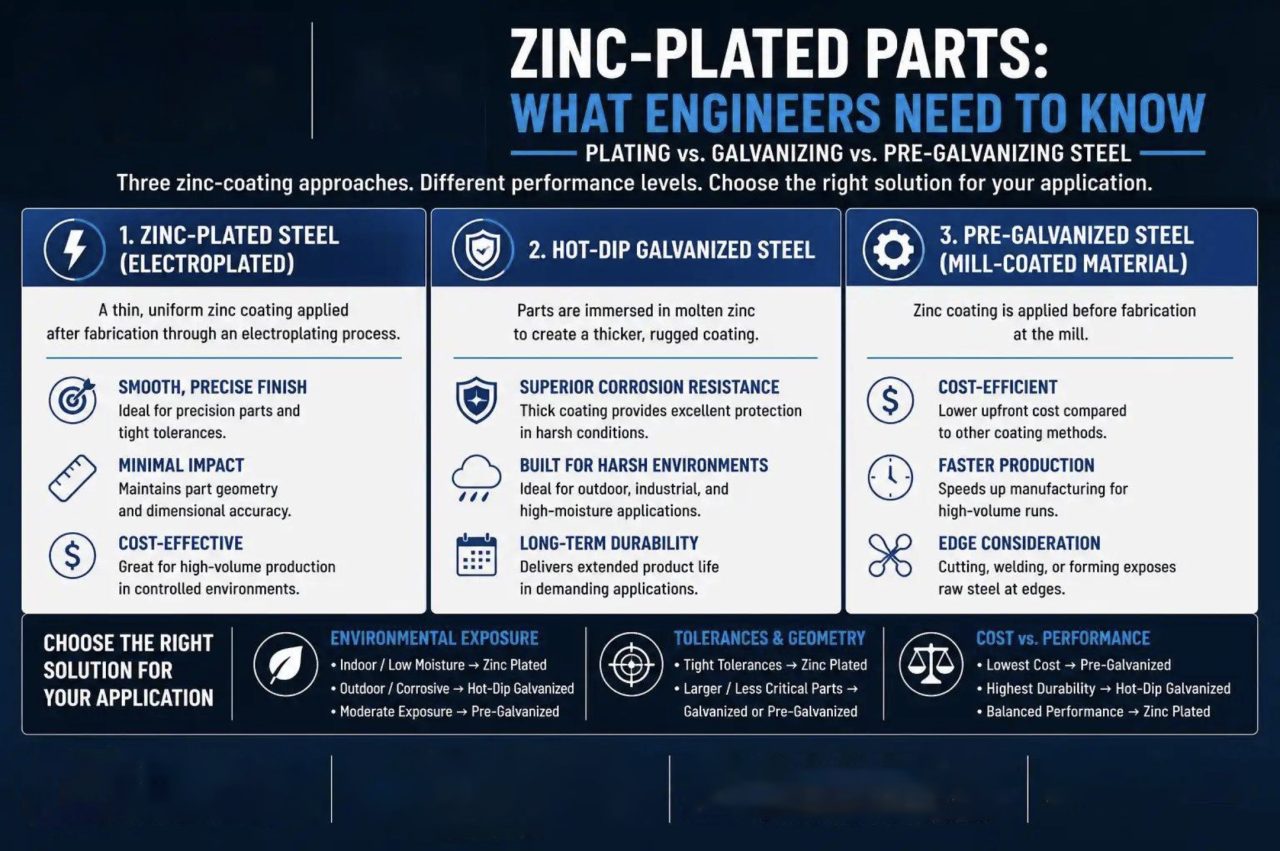
For galvanized products, this may include appearance, coating thickness and other acceptance criteria defined by the applicable standard. A visual inspection alone cannot confirm every coating requirement.
The necessary inspection records depend on the order and the customer’s quality requirements.
5. Keep Repeat Orders Consistent
A documented specification, approved sample and agreed inspection criteria provide a reference for subsequent production runs.
They also make it easier to investigate any difference and agree on corrective action when needed.
Quality-Focused OEM Manufacturing
Borhaf supports custom metal fabrication from customer drawings, with manufacturing and inspection requirements reviewed according to each project.
Looking for a long-term supplier for repeat orders?
Share your product drawings, critical tolerances, surface treatment requirements and expected order volume. We can discuss the appropriate production and inspection arrangements for your parts.